When Websites Become Infrastructure

Every part of software is under scrutiny right now. AI is changing how we build, how we deploy, and increasingly, what we expect software to do. Businesses and governments are asking more from their digital presence—and rightfully so. The old model of a website as a showpiece, something that exists primarily to look good and convert visitors, feels insufficient when you're trying to power customer portals, mobile apps, internal dashboards, and integrations that weren't in the brief three years ago.
The website is becoming a utility. Not in a boring sense, but in the sense that it needs to work across contexts, serve multiple audiences, and integrate with systems that weren't part of the original plan.
This shift changes everything about platform selection and CMS architecture. What used to be a straightforward decision—pick a platform that renders pages well—now requires thinking about APIs, content models, multi-channel delivery, and how the system will evolve as requirements change. Most organisations don't realise they've crossed this threshold until they're already fighting their existing platform to do things it was never designed for.
I should be honest about where I stand: this transition is inevitable for companies managing multiple digital properties, but the timing matters more than most people realise. Move too early and you've over-engineered for problems you don't have. Move too late and you're rebuilding under pressure whilst trying to ship features.
Both are expensive. One of them is avoidable.
The Copy-Paste Problem
Most CMS platforms assume a single destination—one website, one blog, one admin panel managing one database. When a business grows past that assumption, the typical response is to spin up another installation. Another database. Another version of "the truth." It works until you have three of them, and suddenly consistency becomes a full-time job.
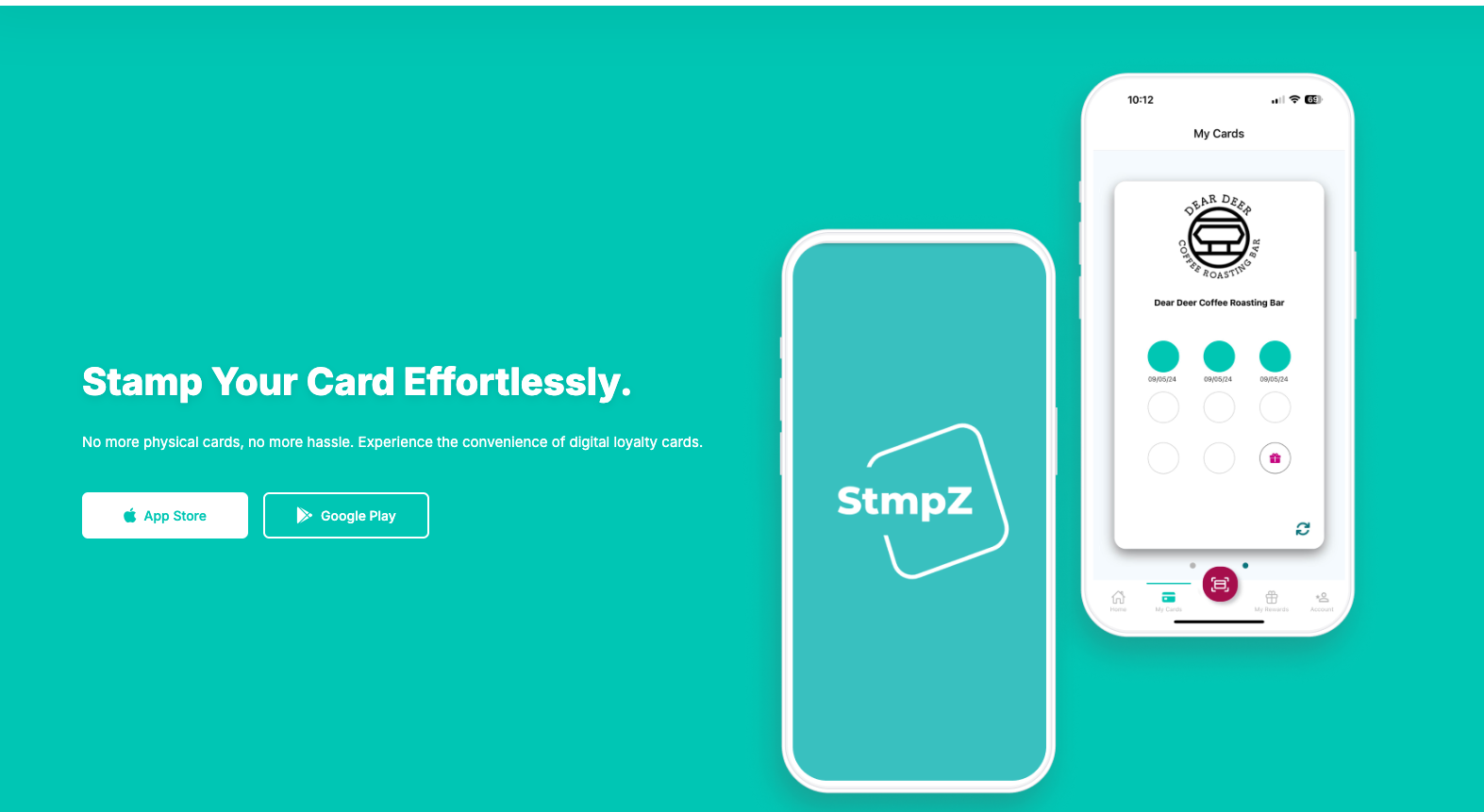
We built Stmpz—a loyalty programme platform—to power a customer mobile app, a merchant dashboard, and an admin portal. Three interfaces. Three different user experiences. But the underlying content? Identical. Merchant details, loyalty programmes, redemption rules—the same data surfacing in different contexts.
One Drupal backend. Three consuming applications. Change a merchant's opening hours once, it updates everywhere. Not because we built clever sync logic, but because there's only one source. The content lives in infrastructure, not in a website pretending to be infrastructure.
When APIs Are an Afterthought
Most website platforms bolt APIs on later, as a feature to check off. The WordPress REST API appeared in 2016—twelve years after WordPress launched. The content model was designed for rendering pages, not for exposing structured data to arbitrary consumers. When you build for one channel, adding another channel means retrofit.
Lotto NZ's Drupal 8 platform needed modernising—security patches, feature enrichment, eliminating years of accumulated technical debt. We modernised it to Drupal 11 with an API-first approach. Same content, but now it's infrastructure, not pages. Future mobile apps, integrations, whatever channels come next—they'll use the same APIs. The content structure doesn't care what's consuming it.
That's the shift. Content stops being "website content" and becomes data that powers experiences.

Workflows Built for One Team, Used by Five
Website CMSs make an assumption: one editorial team, publishing one type of content, to one audience. That assumption breaks the moment marketing, product, support, and operations all need to manage different content with different approval processes for different audiences.
What happens? Either everyone gets admin access (bad), or you bolt on plugins to create permission boundaries (fragile). Content meant for customers sits in the same database as internal documentation. A blog post can't easily become an email newsletter. Product specifications can't feed both the website and the mobile app without duplication.
I've seen organisations spend more time managing workarounds than managing content.
A government agency—NZ Police—had this problem at scale. They process over 1,000 form submissions daily. Multi-step forms with conditional logic. Automated routing to different departmental systems. Strict audit trails. Role-based access controls. Not the sort of thing you solve with a contact form plugin.
We built form processing infrastructure that treats submissions as structured content. It routes data to the right internal systems based on submission type. It maintains compliance. It handles volume spikes during public initiatives without breaking.
This is what infrastructure looks like: built for the workflows you actually have, not the ones a website platform assumes.

See the NZ Police case study →
When Plugins Become the Platform
You can tell when someone's outgrown their platform by counting the plugins. Forty. Fifty. More. Each one solving a problem the core platform wasn't designed to handle. Multi-site management, advanced APIs, workflow management, granular permissions—each requires a separate extension, often with its own licensing fee.
The costs compound in ways that aren't obvious upfront. A $50/month plugin here, a $200/month enterprise add-on there. Updates become Russian roulette—Plugin A conflicts with Plugin B, Plugin C breaks after a security patch. You're paying for features that should be core whilst spending development time managing dependencies instead of building what your business actually needs.
This isn't a criticism of plugins. Plugins are how platforms extend without bloating the core. But when your entire business model is held together by plugins—when the plugins are doing the heavy lifting instead of the platform—you're not extending a system. You're compensating for architectural mismatch.
Purpose-built infrastructure doesn't need forty plugins because it was designed for the use case from the start. If you're managing multiple digital properties, you need multi-site architecture by design, not a plugin pretending to be one.

Architecture as Debt
There's a phrase you hear when a platform has been outgrown: "It wasn't built for that."
Simple features turn into three-month projects. The roadmap fills with workarounds instead of solutions. Every conversation about new capabilities ends with someone suggesting a rebuild. But rebuilds are risky, expensive, and disruptive, so the team keeps patching.
The problem isn't the team. It's that the foundation assumed one thing—a website with a blog—and the business needs another—a content hub powering multiple digital properties.
This is where architecture becomes debt. Technical decisions that made sense three years ago now constrain everything. And unlike financial debt, architectural debt doesn't come with a clear repayment schedule. It compounds silently until the organisation is forced to make a choice: live with constraints or rebuild under pressure.
There's another path, but it requires thinking ahead.
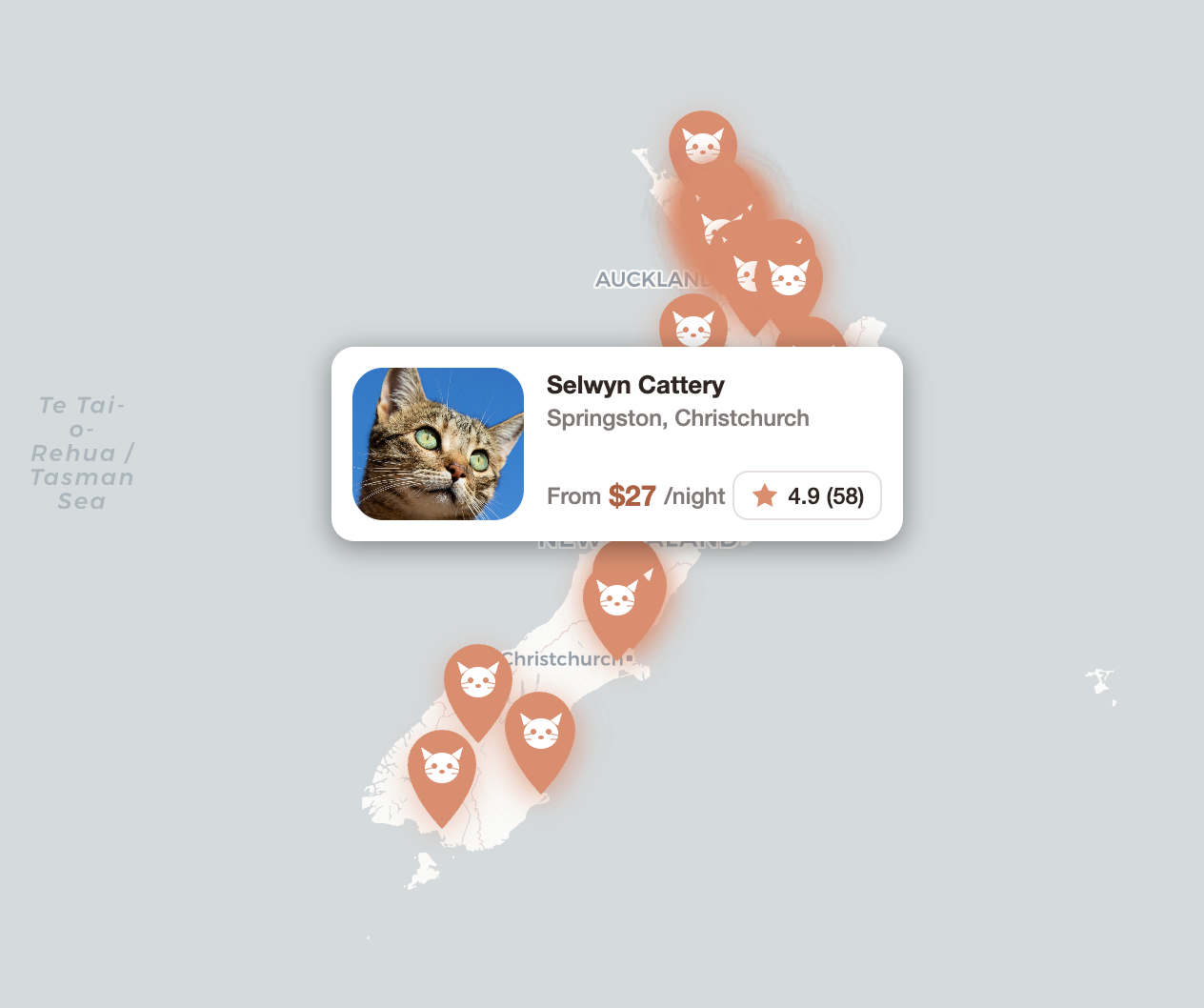
PawSpot—a directory platform—needed to launch quickly to validate product-market fit. We could have built the full infrastructure from day one. We didn't. Stage one: static Next.js. Fast, cheap, good enough to test adoption.
But we designed the data model and API structure knowing they'd outgrow static generation. When they do—when content management demands scale—the transition to headless Drupal won't require rebuilding the frontend. We planned the evolution.
That's the difference. Architecture that constrains versus architecture that accommodates.
Recognising the Pattern
None of these signals guarantee you need infrastructure. Some businesses operate perfectly well with multiple disconnected systems. Some will never need to expose content through APIs. Some prefer the simplicity of plugins, even if it means occasional conflicts.
But if you're managing multiple digital properties, if content flows across channels, if your roadmap is constrained by what your CMS was designed to do rather than what your business needs to do—you're probably past the inflection point.
I won't pretend there's a universal threshold. Three websites doesn't automatically mean infrastructure. A mobile app doesn't always justify rebuilding. Context matters. Growth trajectory matters. How much pain the current approach is causing matters.
What I have observed: businesses that make this shift intentionally—before the platform becomes a bottleneck—have more options. They can stage the migration. They can test assumptions. They can move one channel at a time.
Businesses that wait until they're forced to rebuild? They're making architectural decisions under pressure whilst shipping features and keeping the lights on. Both paths get you there. One is significantly more expensive.

What Outgrowing Actually Means
When a business outgrows its website, it's usually not about the CMS capabilities. It's about what the business has become. You're serving multiple audiences. You're managing content as a strategic asset, not just marketing pages. Your digital presence has evolved beyond a single destination.
That evolution is a milestone, not a failure.
The question isn't whether to evolve. Most organisations do eventually. The question is whether you do it intentionally—architecting for where you're going—or reactively, patching until the patches become the system.
How This Shows Up in Practice
The projects we've built share a pattern: recognising the shift from website to infrastructure before being forced to rebuild.
Stmpz—our loyalty programme platform—needed one backend powering three consuming applications. Lotto NZ needed to evolve from a monolithic site to API-first architecture without disrupting a national service. NZ Police needed form processing infrastructure that could scale with public demand whilst maintaining compliance. PawSpot needed to launch quickly whilst architecting for inevitable growth.
None of these are "CMS projects." They're infrastructure built for businesses that needed content to work across multiple channels, managed by multiple teams, consumed by multiple experiences.
That's the work we do. Not replacing websites. Building the foundation that makes multiple digital properties possible.
If you're managing content across multiple digital properties—or planning to—and you're running into the constraints described here, it might be worth a conversation about what infrastructure looks like for your specific context.
Get the newsletter
Drupal insights and client stories, delivered fortnightly. No spam, unsubscribe anytime.